
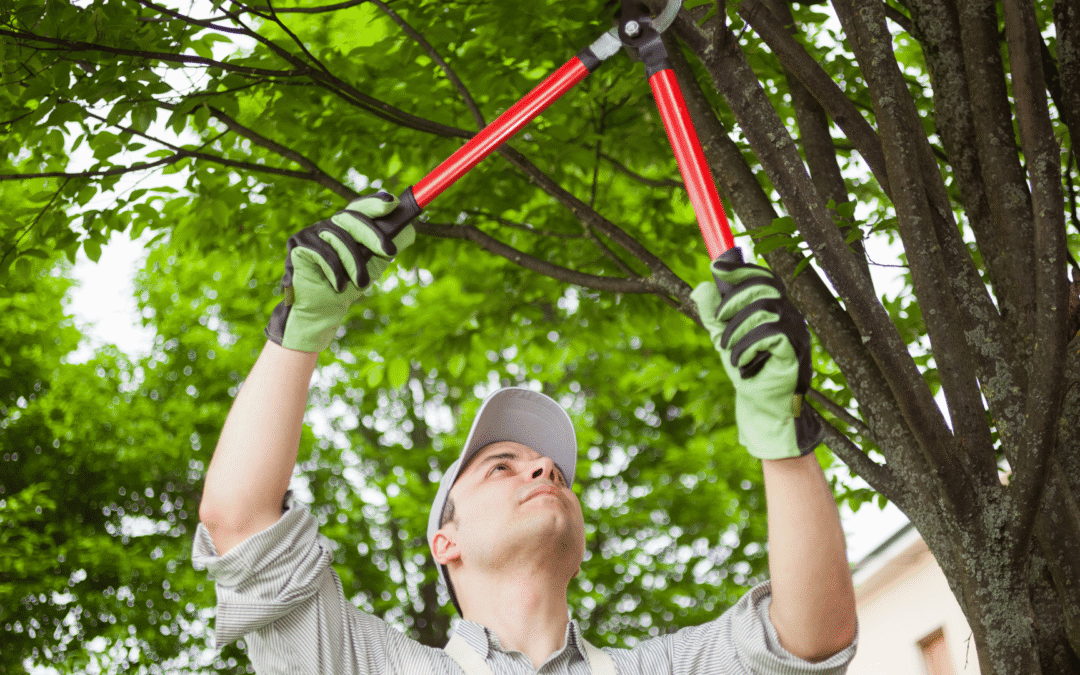
Pruning at the right time of year makes a real difference to the health, appearance and long-term vitality of your trees. Get the timing wrong and you risk encouraging disease, excessive sap loss or weak regrowth that leaves the tree worse off than before.
At MJC Tree Surgeons, we carry out professional pruning across Southampton throughout the year — always guided by the species involved and the specific circumstances on each property.
We cover the best and worst times to prune common UK tree species, explains why timing matters, and highlights when it’s safest to call in a professional.
Why Does Pruning Timing Matter?
Trees rely on their leaves to gather sunlight and convert it into food through photosynthesis. Removing branches reduces a tree’s ability to feed itself, so any pruning should be carried out thoughtfully and at the right point in the growing cycle.
When you prune also affects how well the tree heals. Cuts made during favourable conditions allow wounds to close more quickly, reducing the risk of disease, fungal infection or pest damage. Pruning at the wrong time can leave exposed wood vulnerable to severe weather, drought or fungal sporulation, all of which can compromise the tree’s structure and long-term health.
When Should You Prune Deciduous Trees?
Most deciduous trees (those that shed their leaves in autumn) are best pruned during their dormant period, typically from late autumn through to early spring. Pruning before any new growth begins allows the tree to direct its energy into recovery once the growing season starts. It also gives your tree surgeon a much clearer view of the branch structure without foliage in the way.
However, not all deciduous species follow the same rules. Some important exceptions to be aware of include:
- Birch, walnut and maple — These species begin their internal growth cycle during early winter, and sap starts to rise well before spring. If pruned at the wrong time, they bleed extensively, losing hydration and leaving wounds open to infection. The best time to prune these trees is during summer or mid-winter, when sap flow is at its lowest.
- Cherry and other Prunus species (including plum, almond and peach) — These trees partially rely on the production of gum or resin to defend against wound-related pathogens such as silver leaf disease. Pruning should only be carried out in summer, and autumn should be avoided entirely due to the heightened risk of fungal sporulation.
- Apple trees — Best pruned in mid-winter, particularly if you want to encourage healthy fruit production the following year.
- Magnolia — Ideally pruned in mid-summer, which reduces bleeding and allows time for wounds to begin healing before the colder months.
Deciduous Tree Pruning Guide
| Tree Species | Best Time to Prune |
| Acacia | Late spring |
| Alder | Late spring to summer |
| Ash | Late spring to summer |
| Apple | Mid-winter |
| Beech | Late spring to summer |
| Birch | Summer to mid-winter |
| Cherry (and other Prunus) | Summer |
| Elm | Late spring to summer |
| Horse chestnut | Late spring to summer |
| Lime | Late spring to summer |
| Magnolia | Mid-summer |
| Maples (including sycamore) | Summer to mid-winter |
| Oak | Late spring to summer |
| Poplar | Mid-winter |
| Robinia | Mid to late summer |
| Walnut | Summer to mid-winter |
| Willow | Late spring to summer |
When Should You Prune Evergreen Trees?
Evergreen trees and hedges follow a different set of rules. Pruning an evergreen in autumn removes foliage it cannot replace before winter, leaving the tree short on energy during the coldest months and far more susceptible to pests, disease and decline.
We recommend pruning most evergreen trees in late spring just before they produce new growth. This gives them the full growing season to recover and fill out before the following winter.
Evergreen Tree Pruning Guide
| Tree Species | Best Time to Prune |
| Cedars | Mid to late winter |
| Cypresses | Late spring to early summer |
| Firs | Late summer to late winter |
| Holly | Mid to late winter |
| Holm oak | Mid to late winter |
| Pines | Late spring |
| Spruce | Late summer to late winter |
| Western red cedar | Mid to late winter |
| Yew | Late summer to late winter |
It’s worth noting that species such as cedars, firs and pines have poor tolerance to hard pruning and will not regrow shoots from old wood. Any pruning on these trees should be kept light, and in many cases it’s best to avoid pruning altogether unless absolutely necessary.
When Is the Worst Time to Prune Trees?
The worst time to prune most trees is when they are in full leaf and actively growing, or when cuts will be exposed to harsh conditions. Specifically, you should avoid pruning during:
- Periods of active growth in spring and summer for most deciduous species, as this diverts energy away from the tree’s natural development
- Autumn, when fungal spores are most prevalent and wounds are slow to heal
- Frost or drought conditions, which put additional stress on a freshly pruned tree
If a tree poses an immediate safety risk (storm-damaged branches, deadwood over a pathway, or limbs pressing against your roof), it should be dealt with promptly regardless of the season. Safety always takes priority over ideal timing.
Do You Need Permission to Prune a Protected Tree?
Trees covered by a Tree Preservation Order (TPO) cannot be pruned or removed without prior consent from your local planning authority. Carrying out unauthorised work on a protected tree is a criminal offence and can result in significant fines. If you’re unsure whether a tree on your property is protected, your local council’s tree officer can advise. Our team can also help with TPO applications and appeals, preparing full supporting reports on your behalf.
Get in Touch with MJC Tree Surgeons
If your trees are due for pruning or you’re unsure about the best approach for a particular species, MJC Tree Surgeons is here to help. With over 30 years of hands-on experience, City & Guilds NPTC qualification, and full compliance with British Standard BS3998:2010, our team delivers safe, professional tree pruning you can rely on.
We serve homeowners and businesses across the Southampton area. We offer free, no-obligation quotes and are always happy to talk through your options. Contact us today.

Every day is a new beginning
This is a really helpful and informative guide. I especially appreciate how you pointed out that there isn’t a one-size-fits-all pruning schedule, since different species respond differently depending on the season. The sections on protected trees and storm-damaged branches are also great reminders that proper timing and safety both matter when it comes to tree care. As someone in the tree trimming industry, I completely agree that understanding the tree before making any cuts is essential. Thanks for sharing such a practical resource!